From drones to digital twins. An international Erasmus+ project at the University of Applied Sciences in Nysa (UAS)
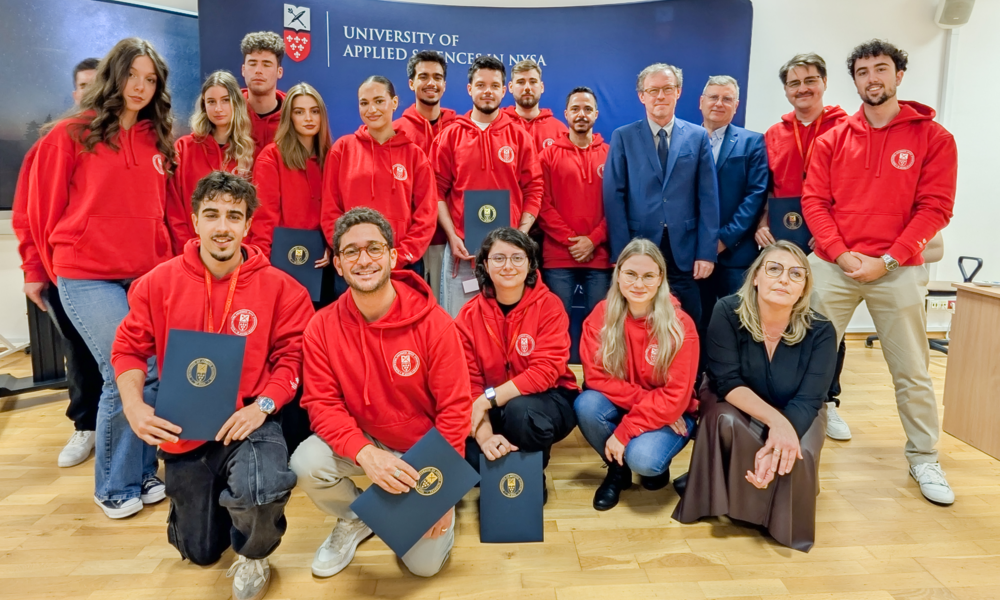
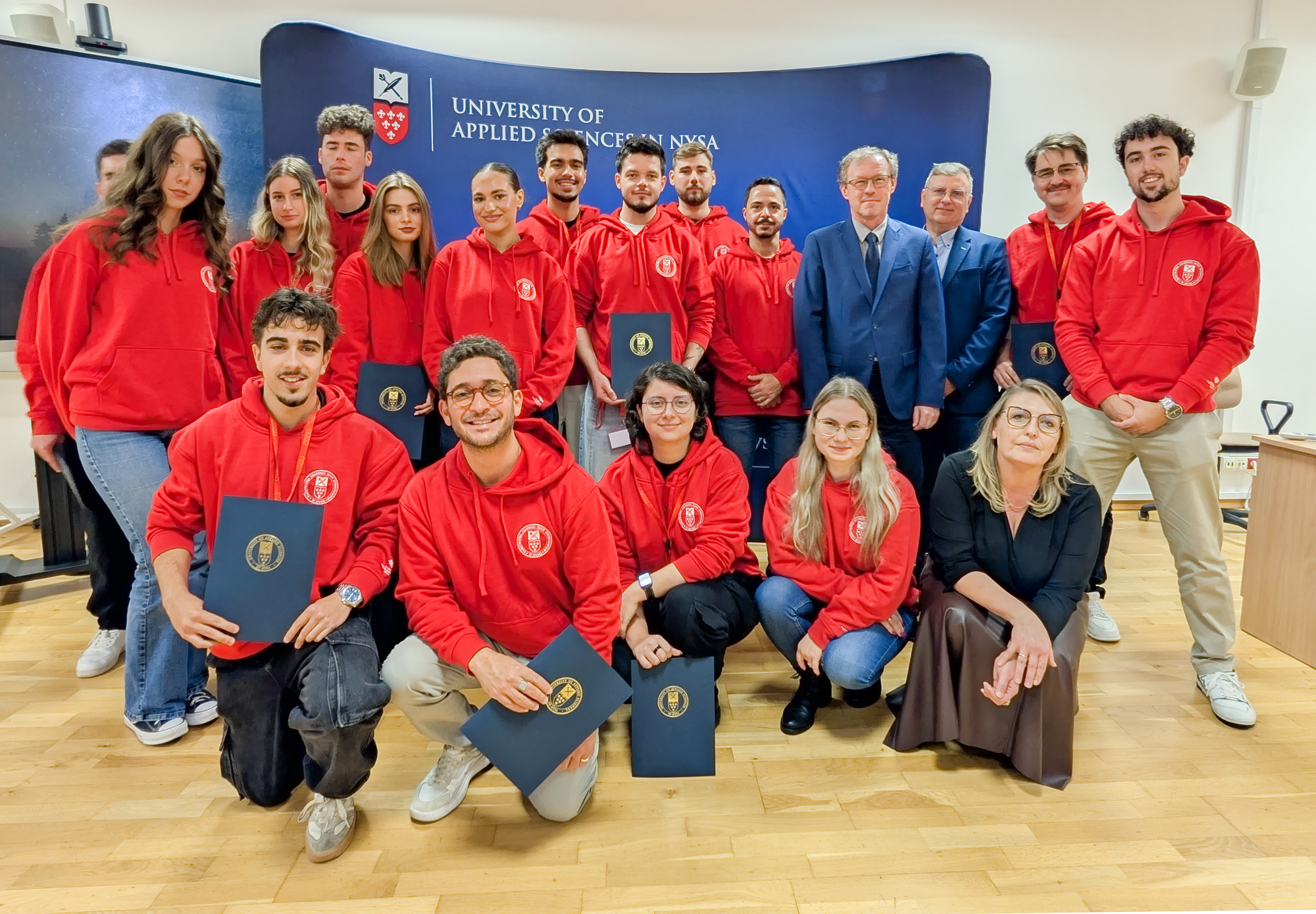
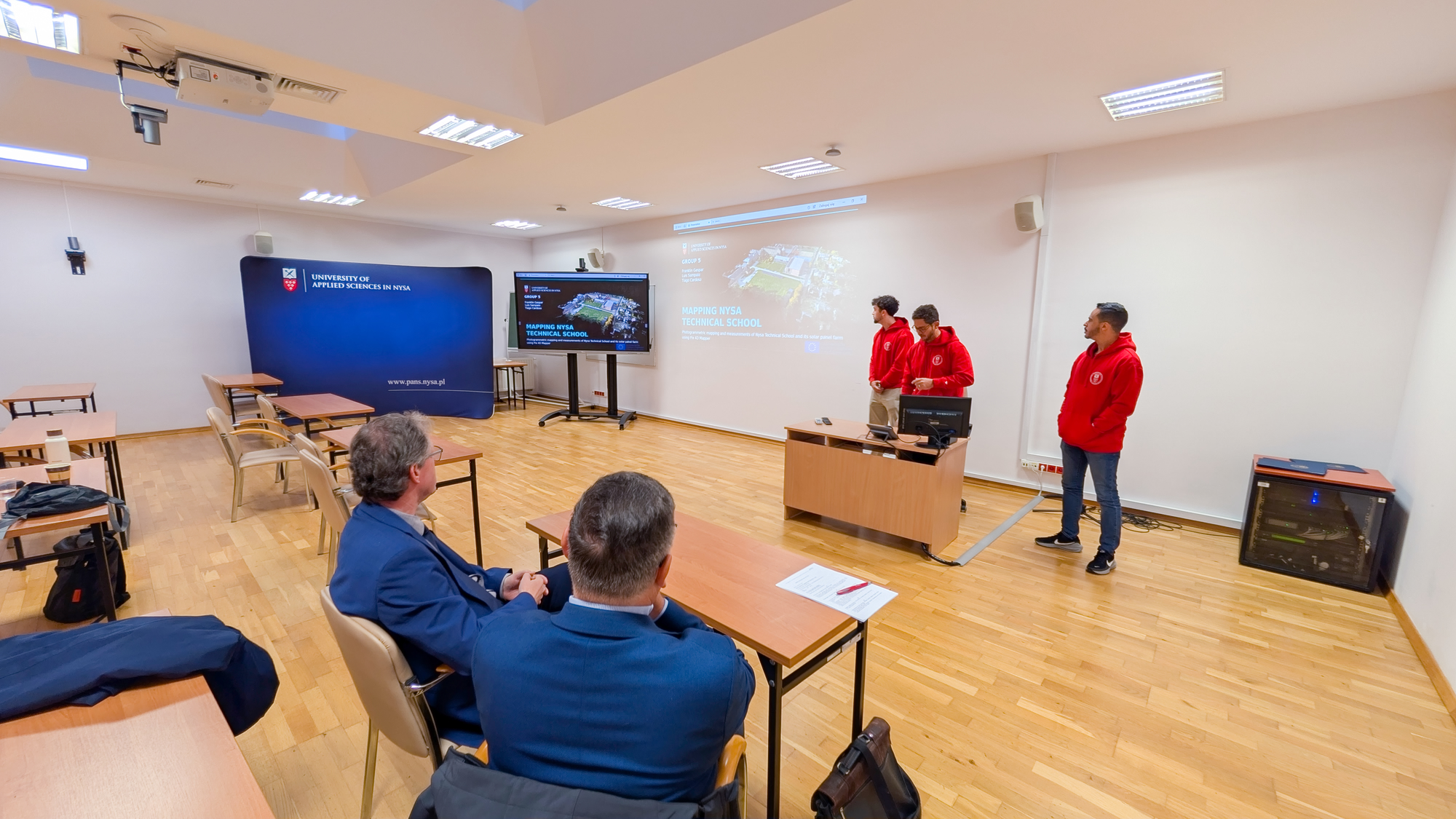
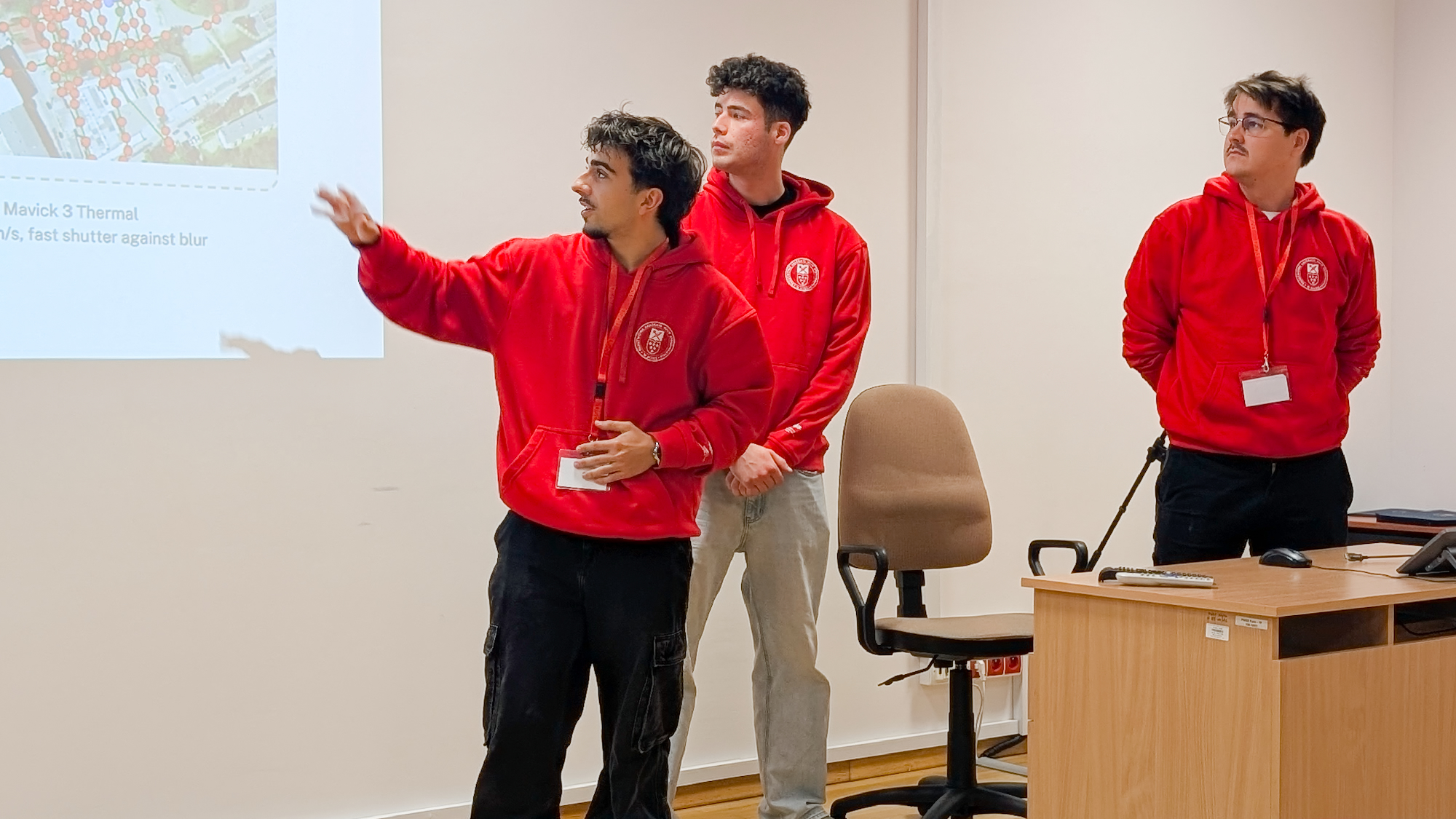
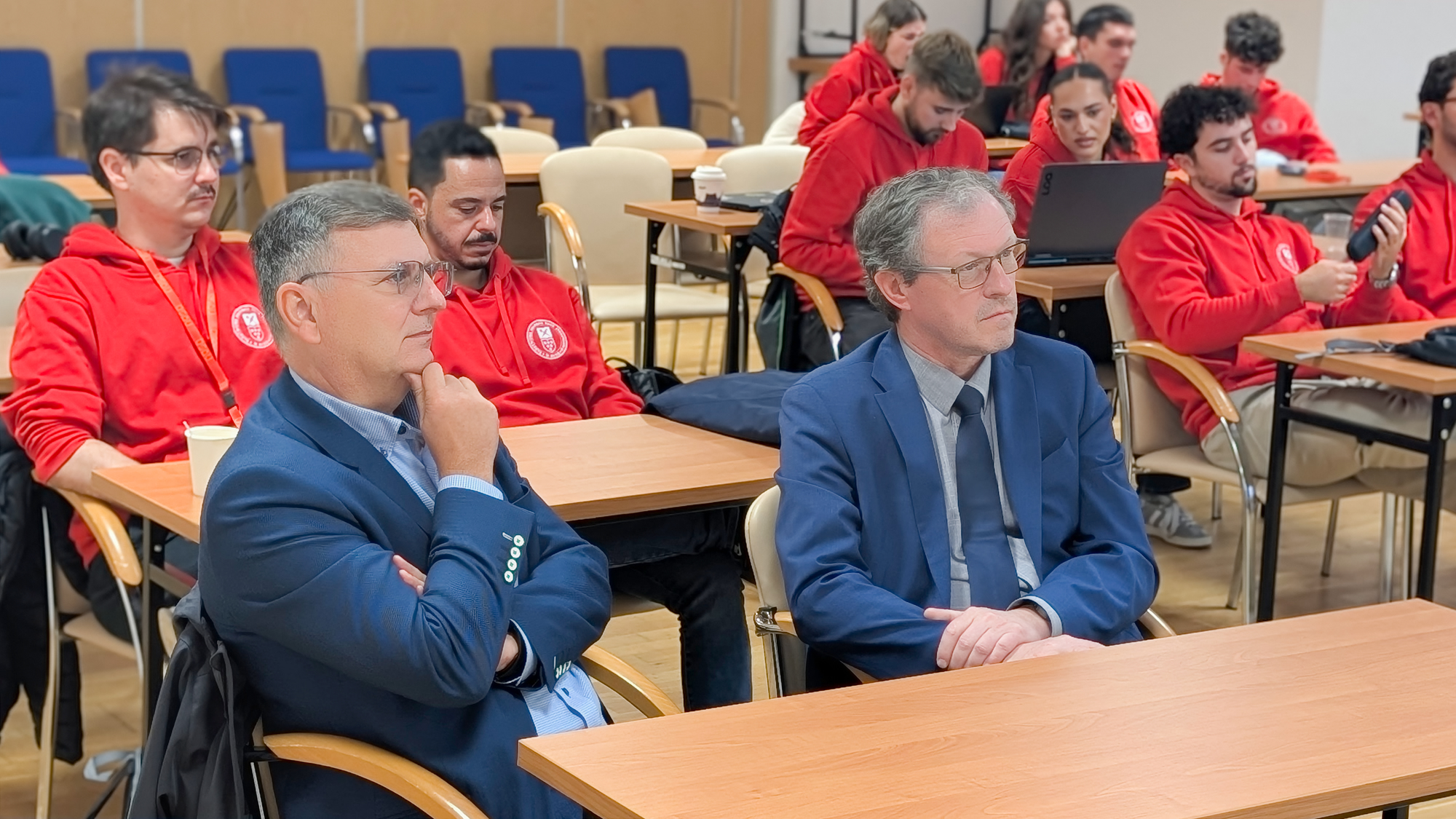
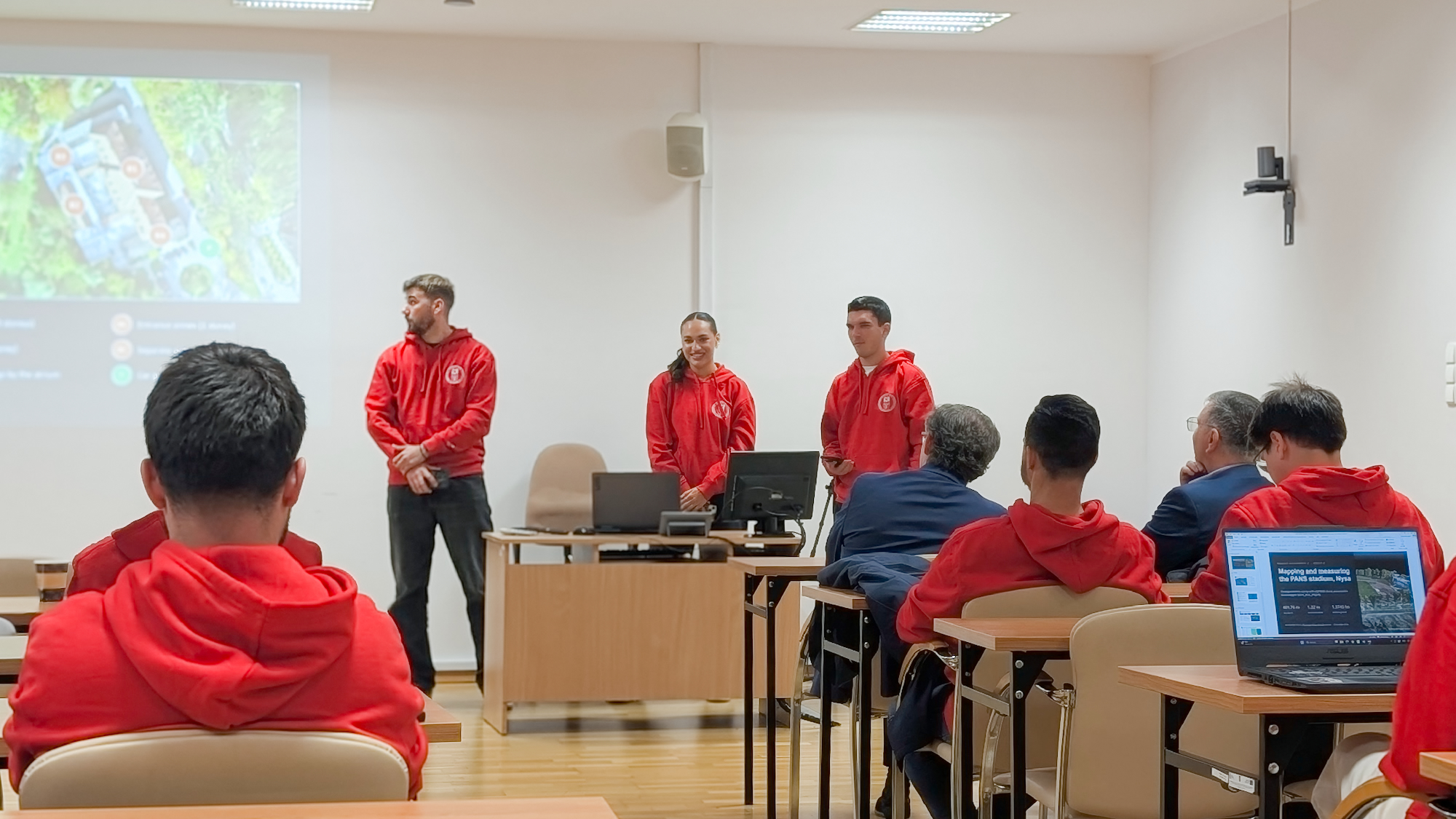
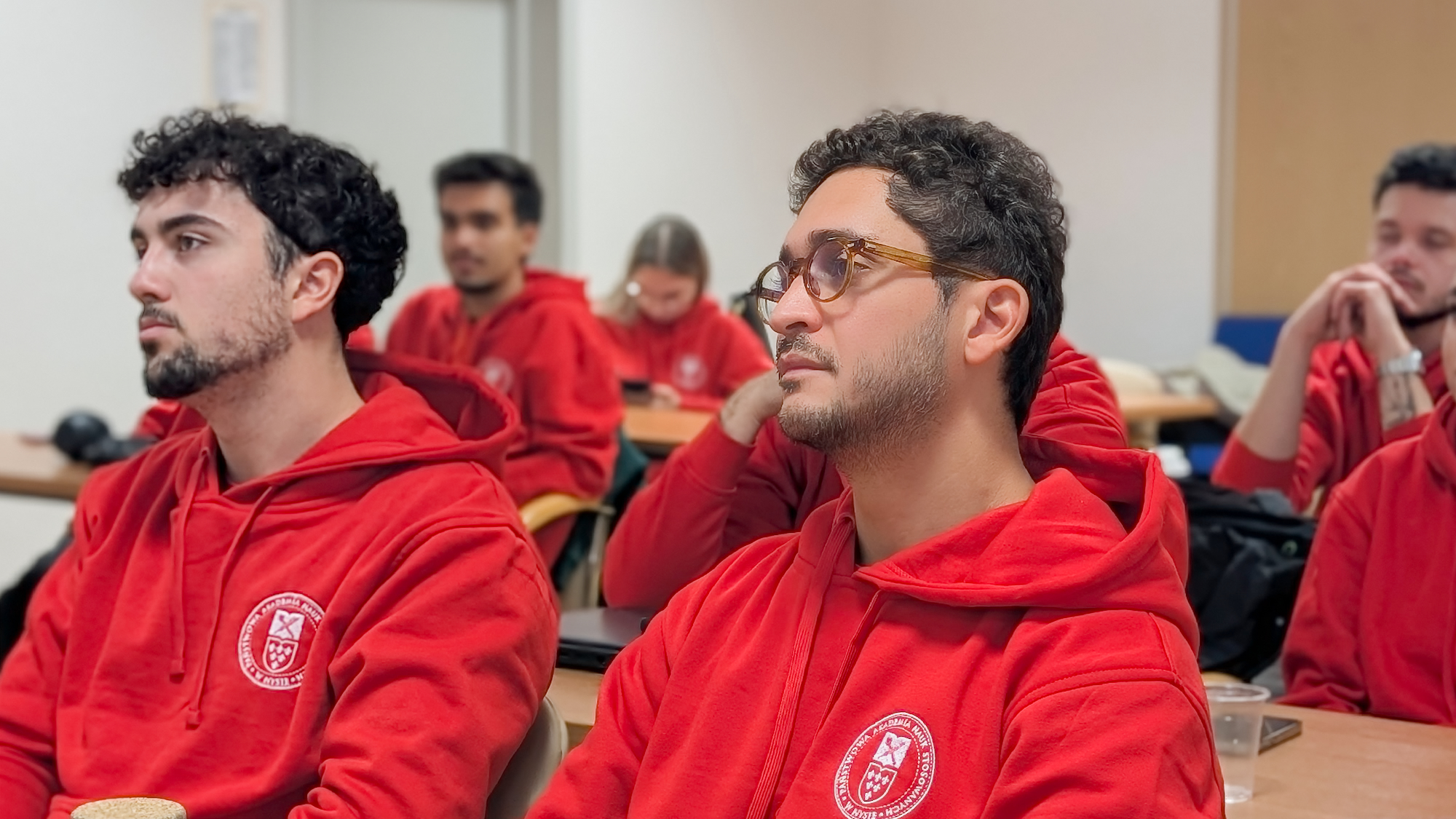
Modern technologies, practical learning, and international cooperation - these are the main themes of the Erasmus+ BIP Programme, which took place in Nysa from 19 to 23 October 2026. The project was carried out as part of the Management and Engineering programme. Its participants were students from Poland, Portugal, and Romania who explored solutions used in design, monitoring, and management of modern infrastructure.
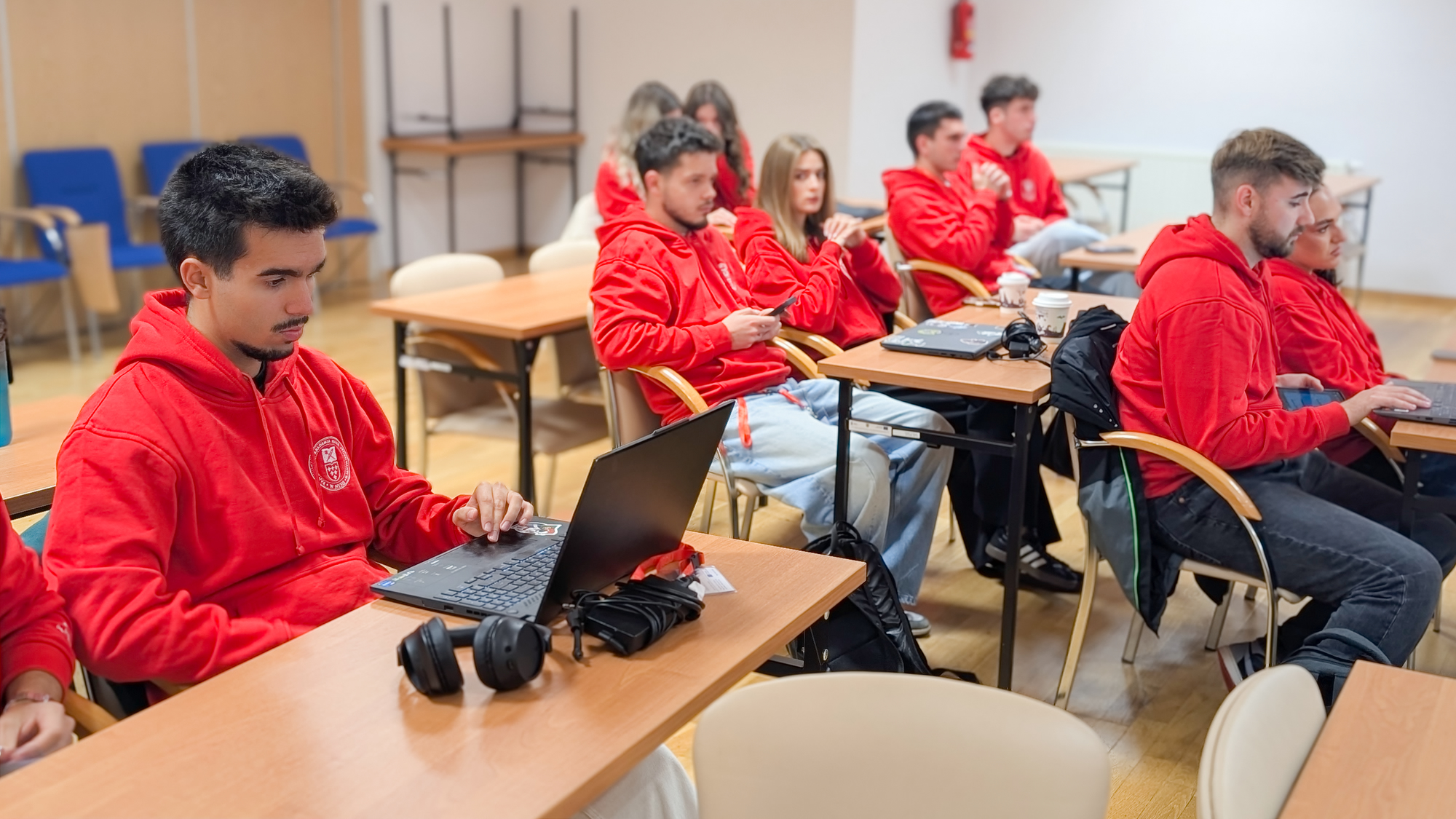
The programme “From Drone Data to Digital Twins: Smart Technologies for Sustainable Infrastructure” combined online lectures with in-person workshops. This enabled participants to acquire the necessary theoretical knowledge before applying it in practice during sessions in Nysa.
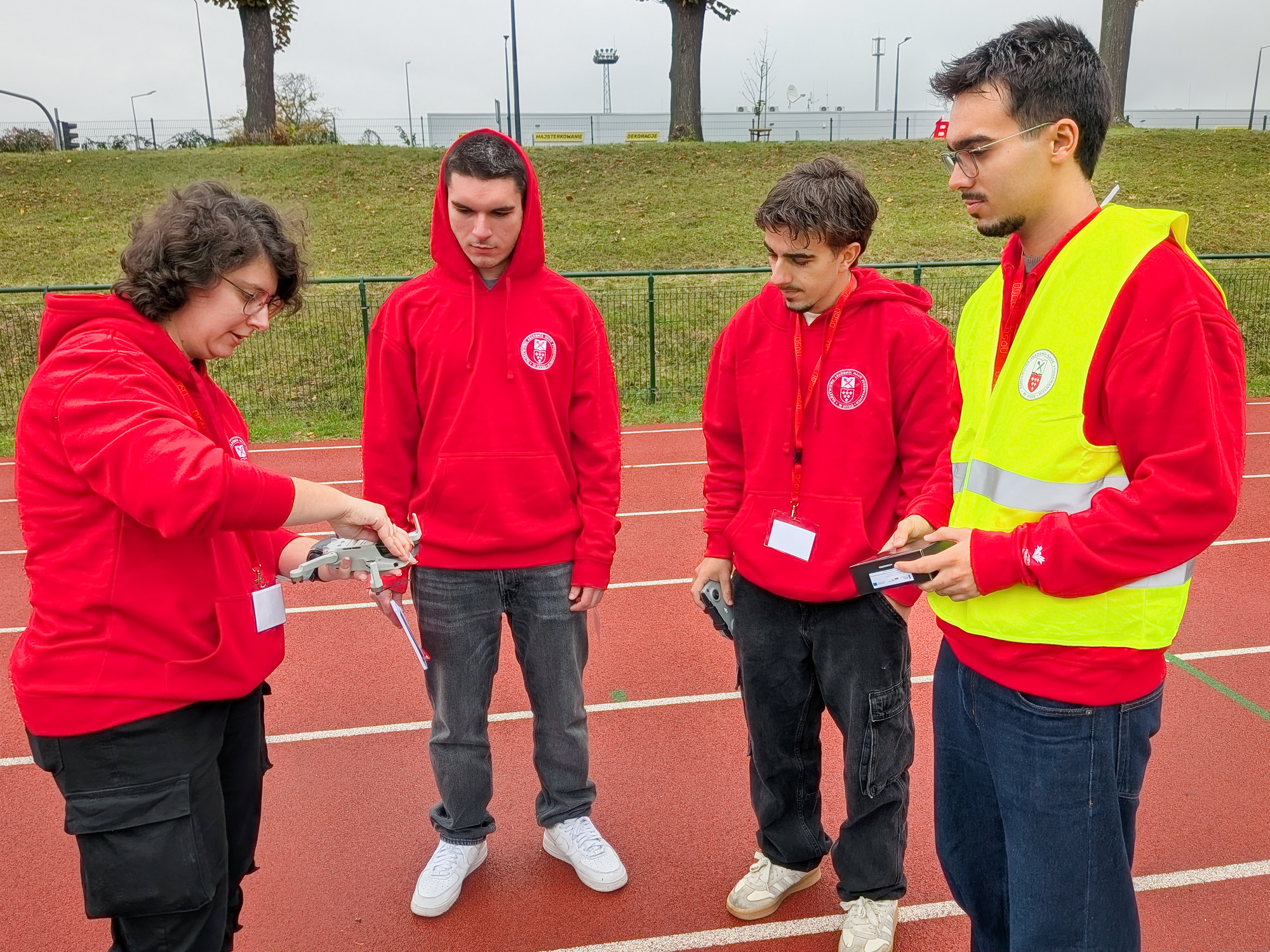
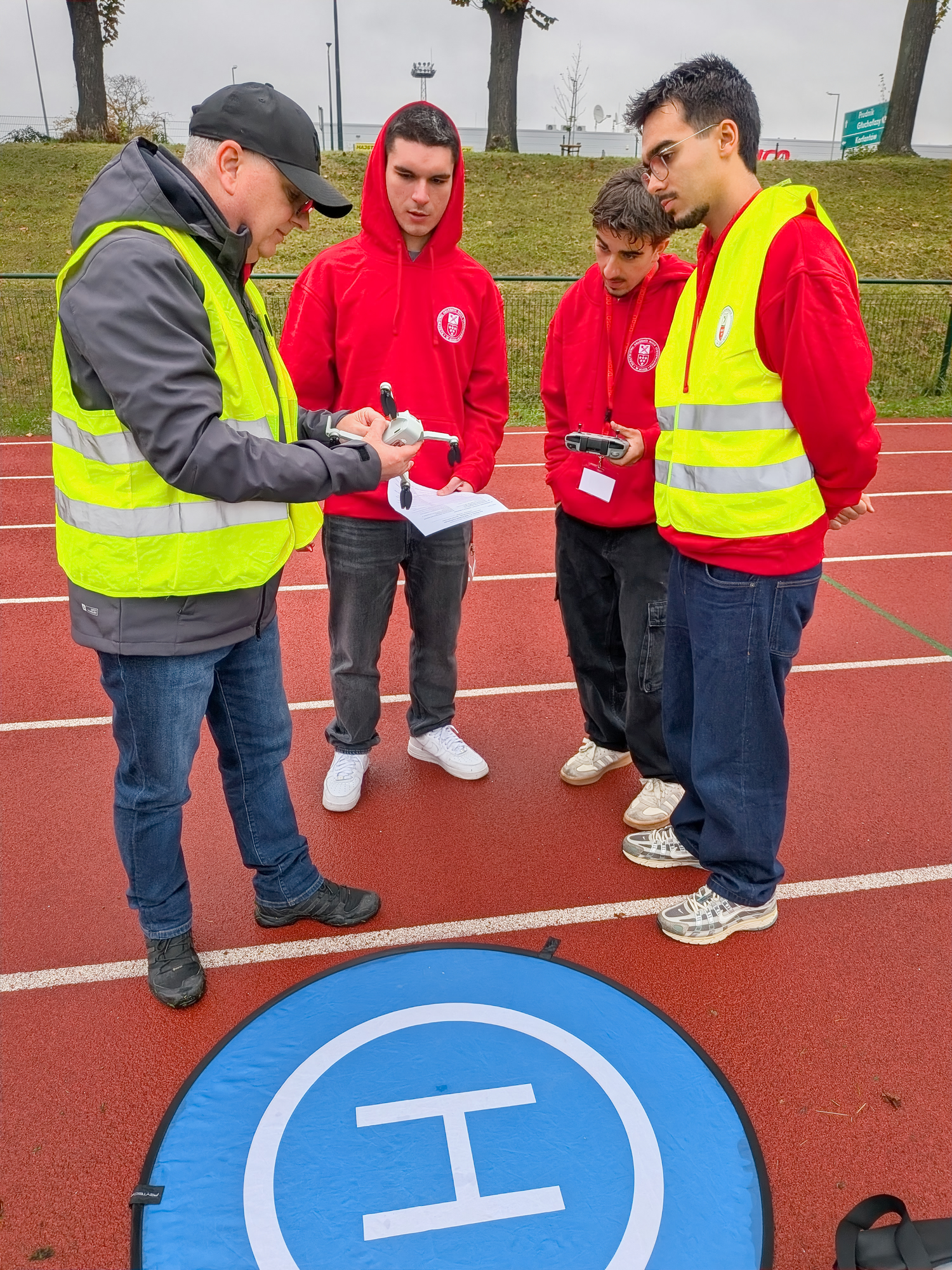
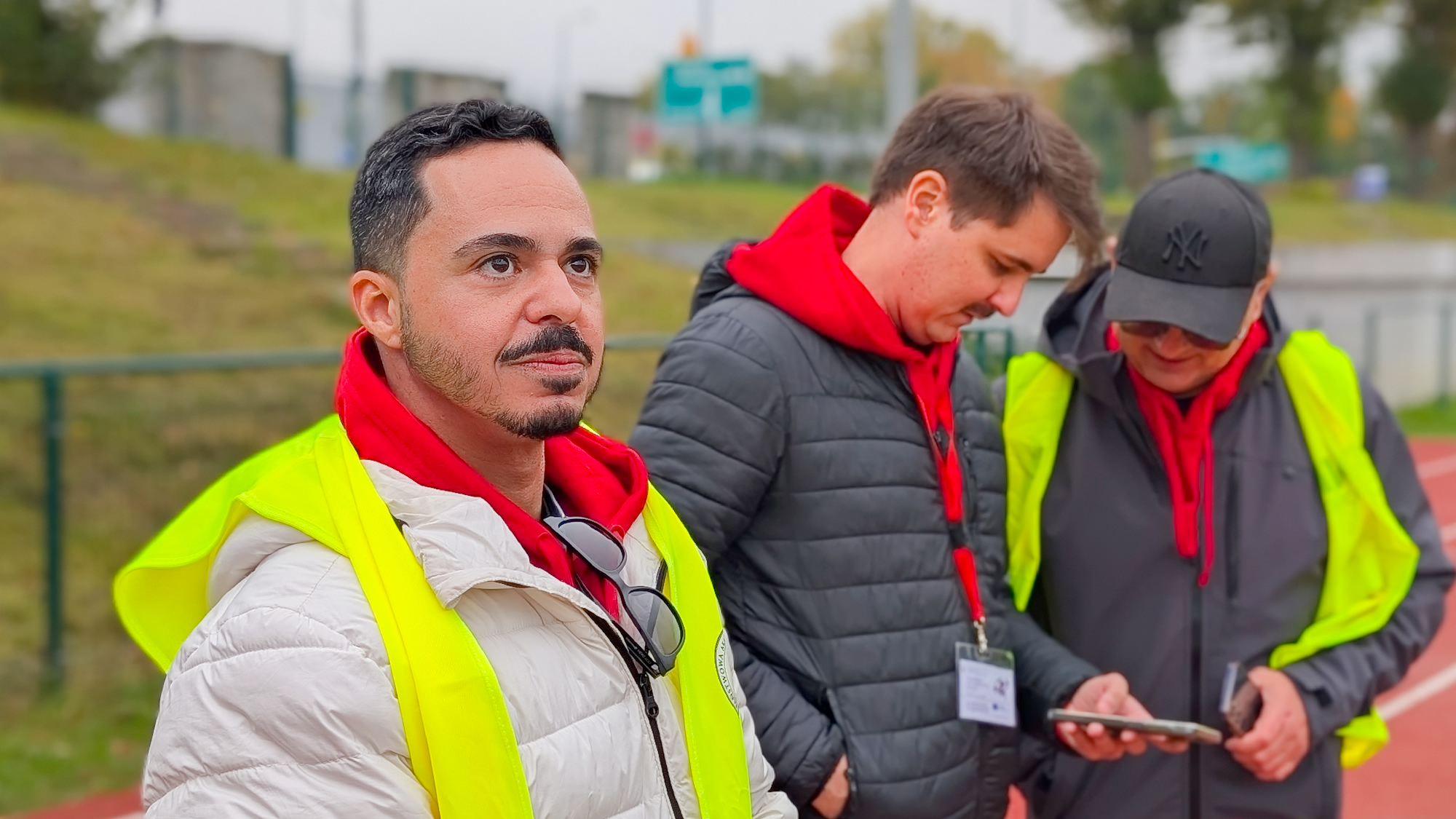
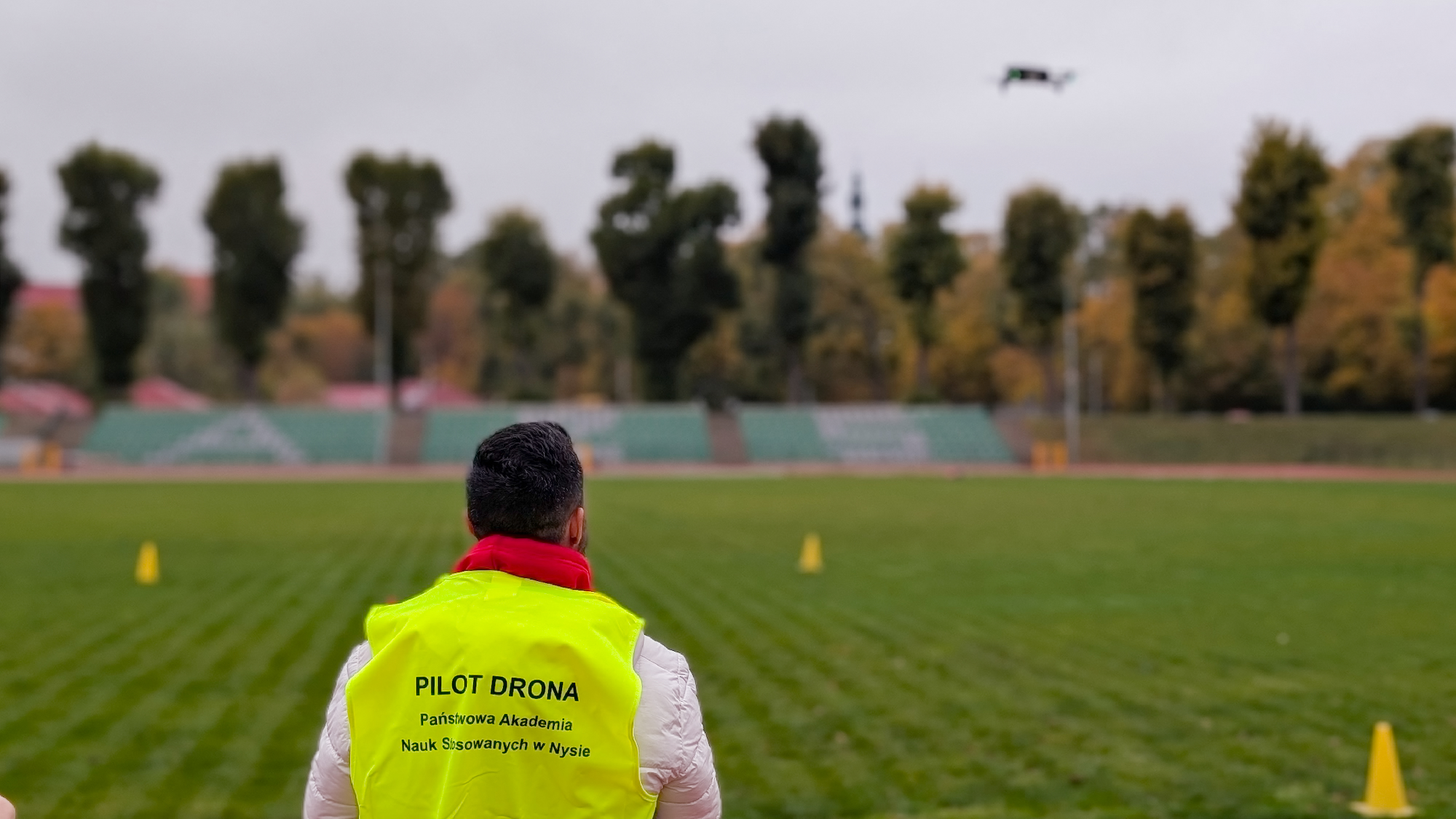
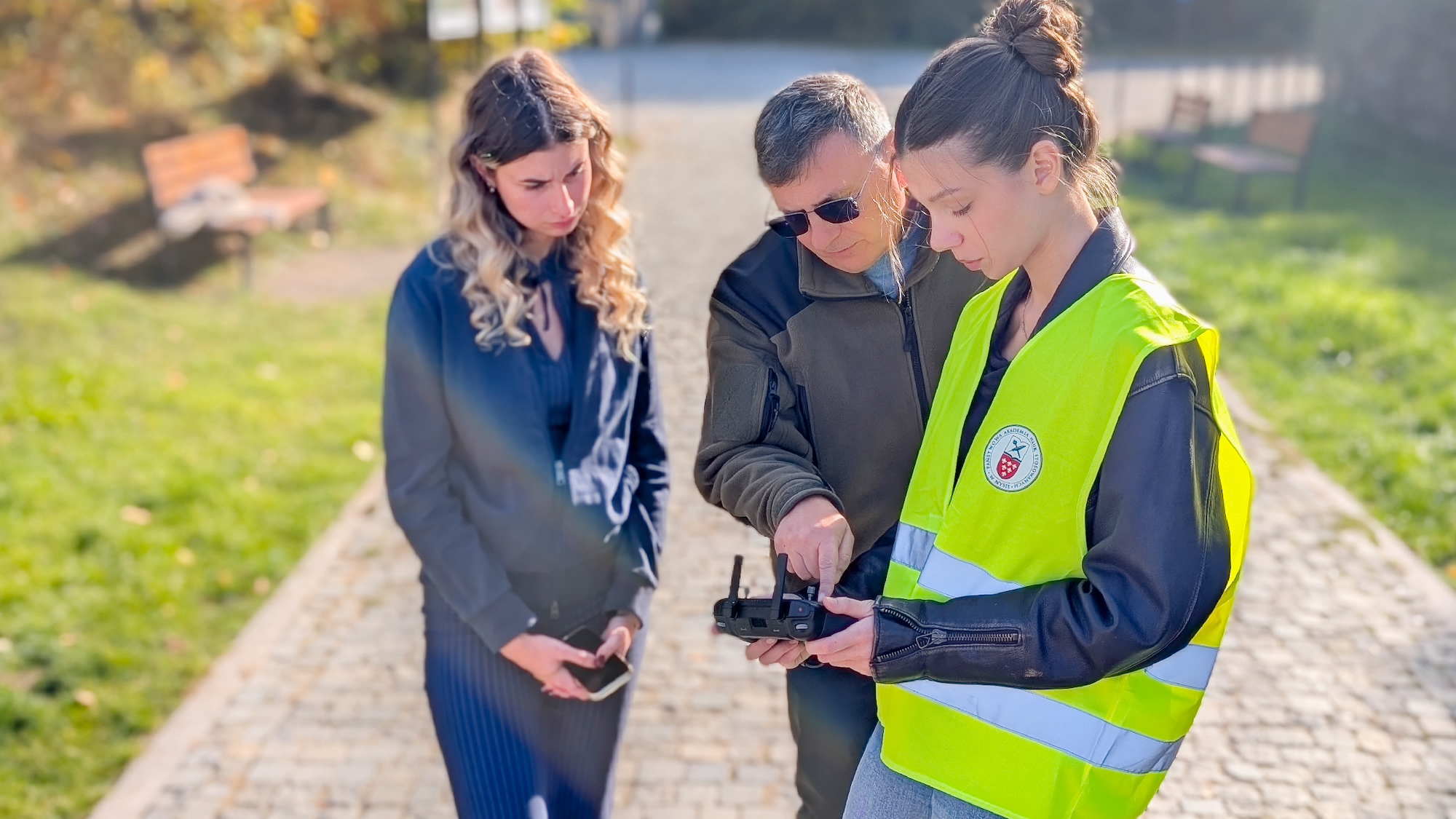
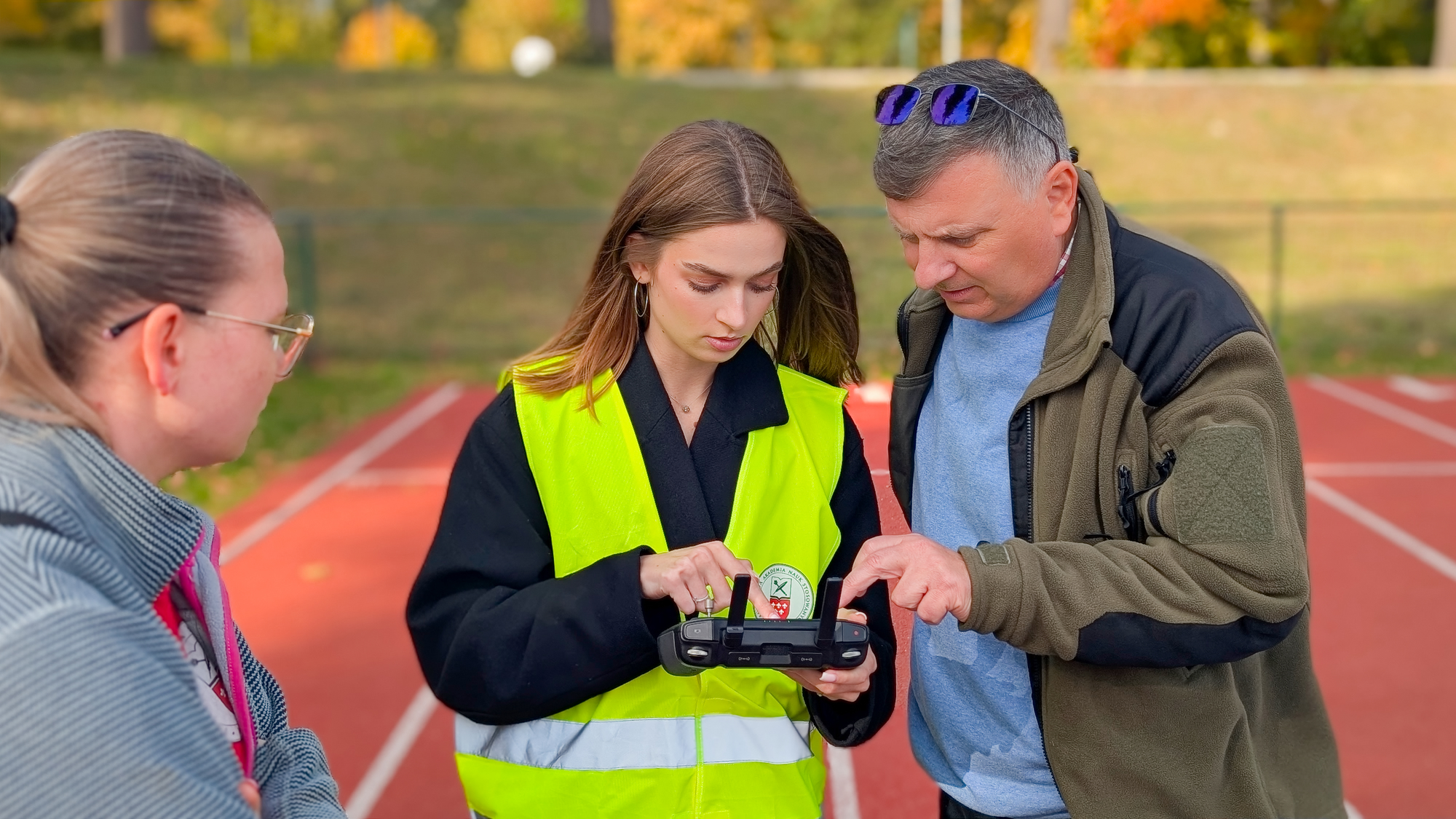
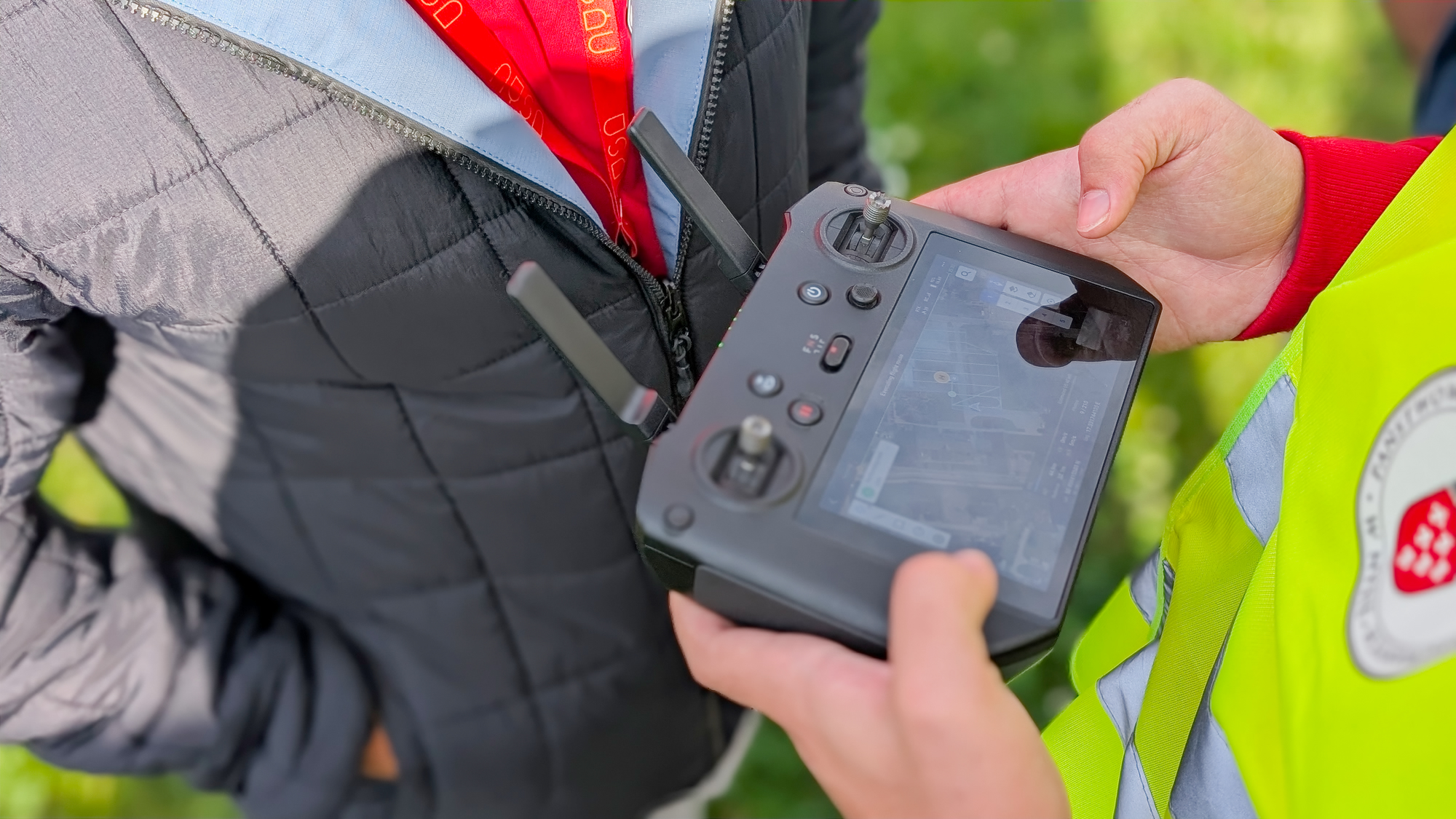
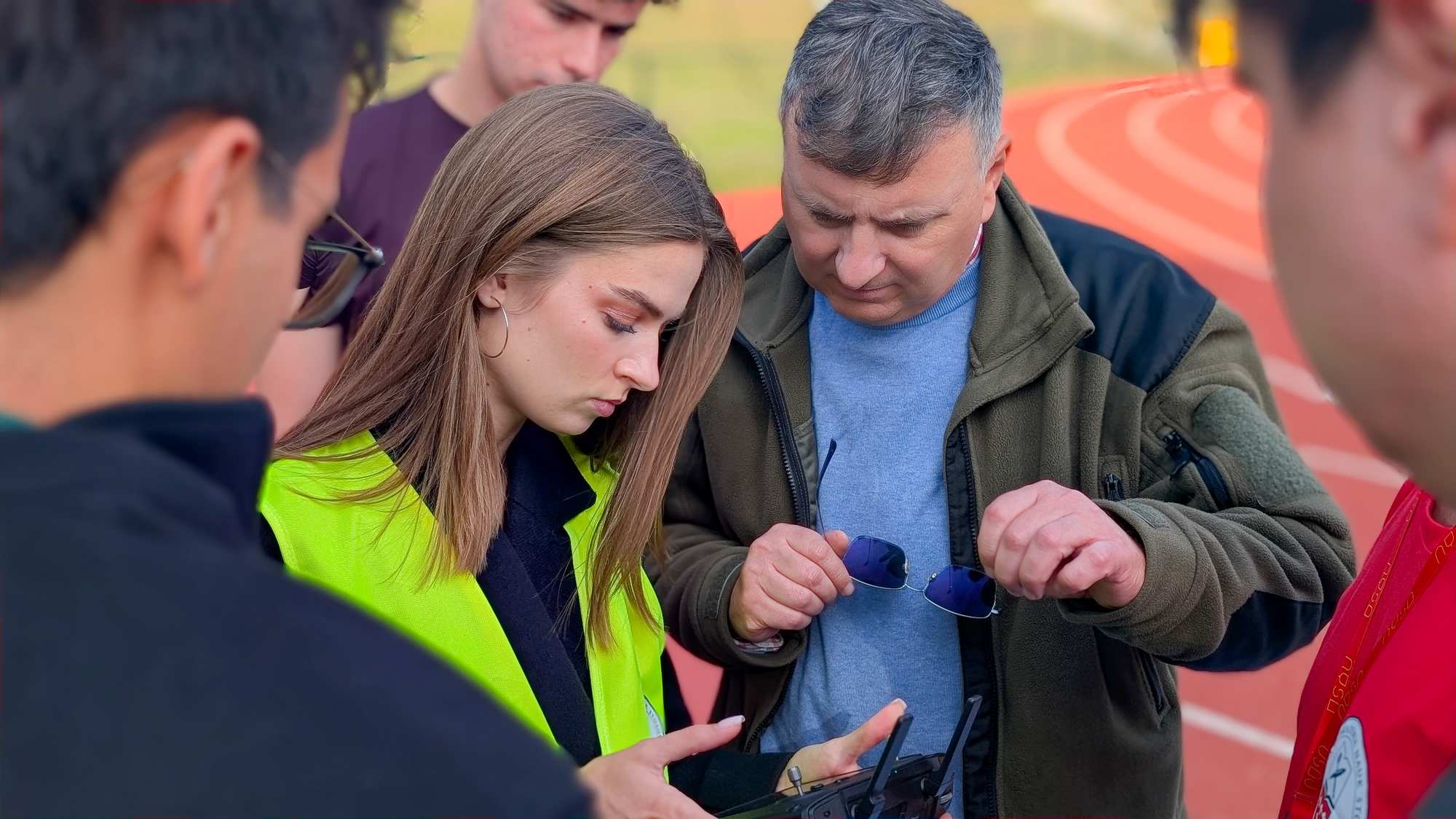
One of the essential parts of the programme was sessions on the use of drones in collecting geospatial data. The students learned the principles of planning low-altitude automated flight missions, conducting measurements, and capturing images used to create maps and 3D models. They explored the entire process – from mission planning and collecting data on site to data processing and interpreting the results. The sessions demonstrated how these technologies can aid analysis and managing infrastructure.
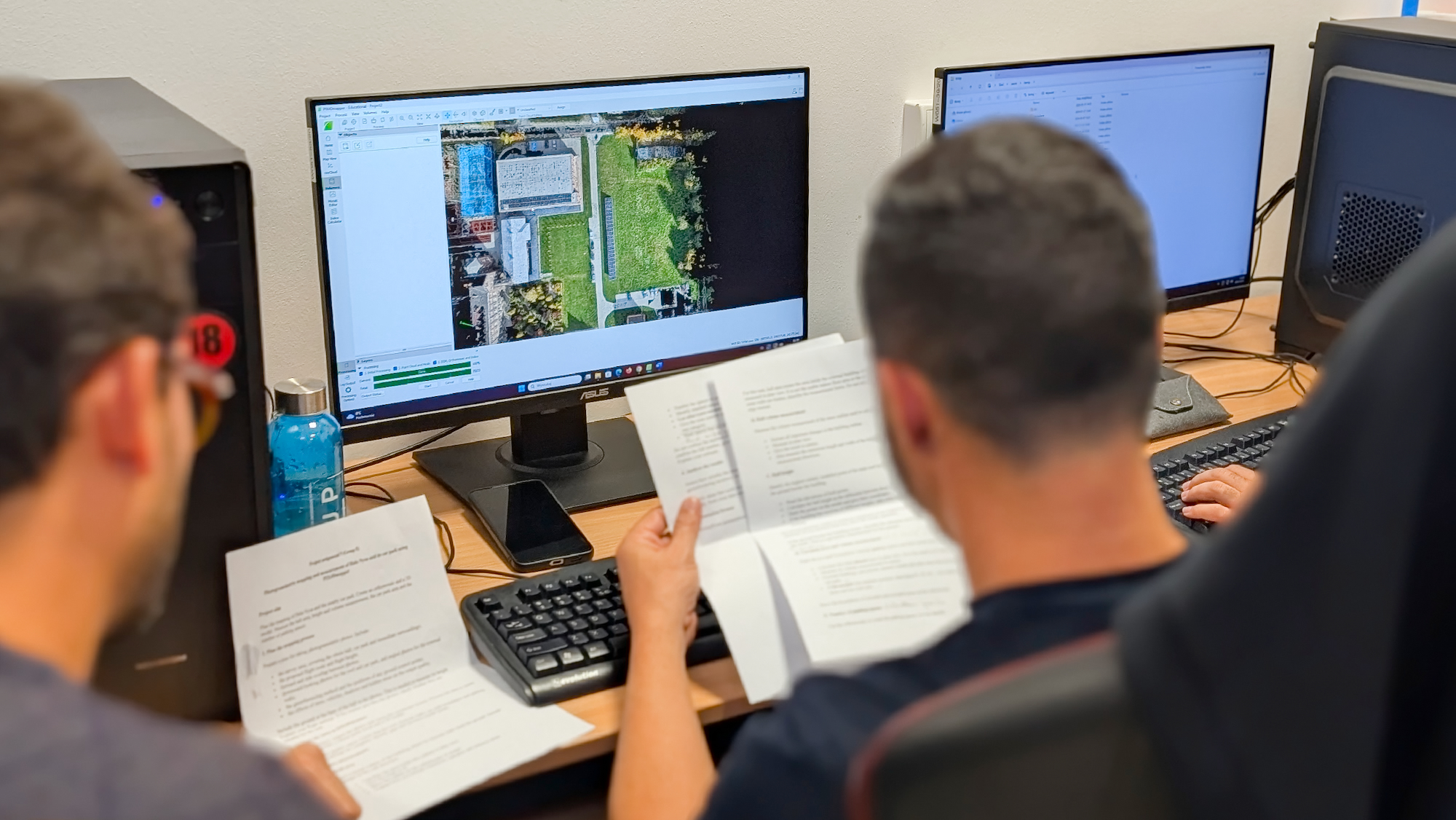
Gathered data can be used to create and work on spatial models. During the photogrammetry workshops, participants created orthophoto maps, point clouds, and digital terrain models. These types of models make it possible to accurately represent real-world objects and analyse changes occurring in their surroundings. They are also used more and more frequently in planning investments and evaluation of the state of infrastructure.
Geographic Information Systems (GIS) were also an important part of the training, as they enable the collection, integration, and analysis of spatial data. Students learned their practical application in spatial planning and infrastructure management. Additionally, they found out how information from different sources can aid in making more accurate decisions.
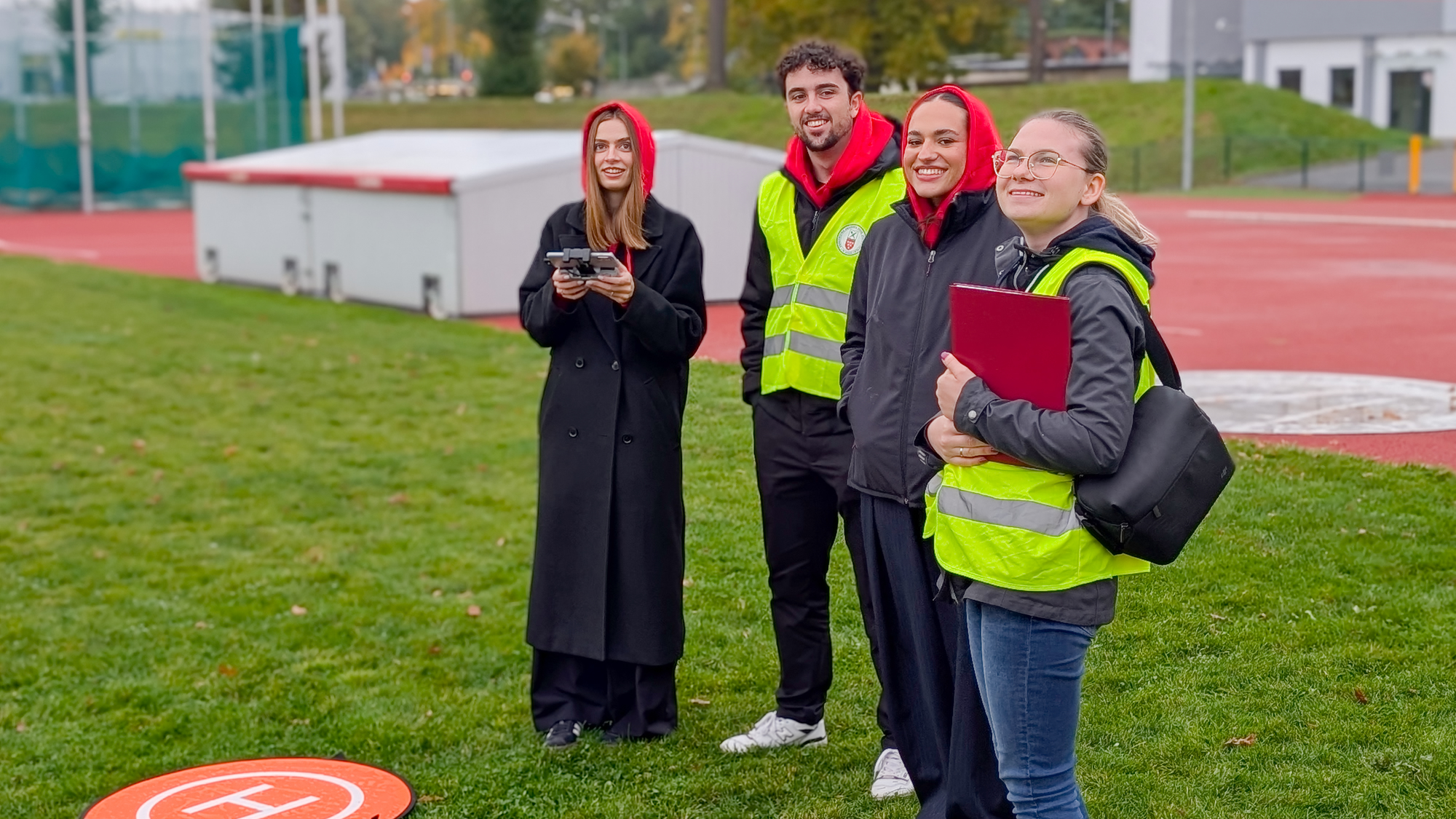
The programme not only introduced students to new technologies, but also provided a great way to exchange experiences and network with peers from other countries. Working together on the tasks demonstrated the value of combining theoretical knowledge with practical experience and fostering international cooperation.
For several days, Nysa became a meeting place for young people interested in innovative technological solutions. The skills acquired may prove valuable in the participants' future careers, particularly in fields related to geoinformatics, engineering, and sustainable infrastructure development. The project also demonstrated that international university cooperation can effectively prepare students for the challenges of today's changing job market.
Galeria